Portrait Stations for Galas and Corporate Events: Planning the Guest Experience
A corporate event portrait station gives attendees a planned place for a photograph of themselves, their partner, or colleagues. For the organizer, the useful questions are practical: which images are needed, who will use them, and where the experience fits in the program.
TL;DR
- A portrait station gives attendees a photographer-directed sitting during the event.
- A branded press wall and a portrait station can have different jobs; decide which images your event needs.
- YWNFI’s Portrait Station starts from $2,950. The final quote depends on format, hours, guest count, and travel. See the current pricing page and request a quote for your event.
- Scope sponsor artwork, headshot requests, image use, and delivery requirements before booking.
- Coordinate load-in, active service, any standby, and breakdown with the production schedule.
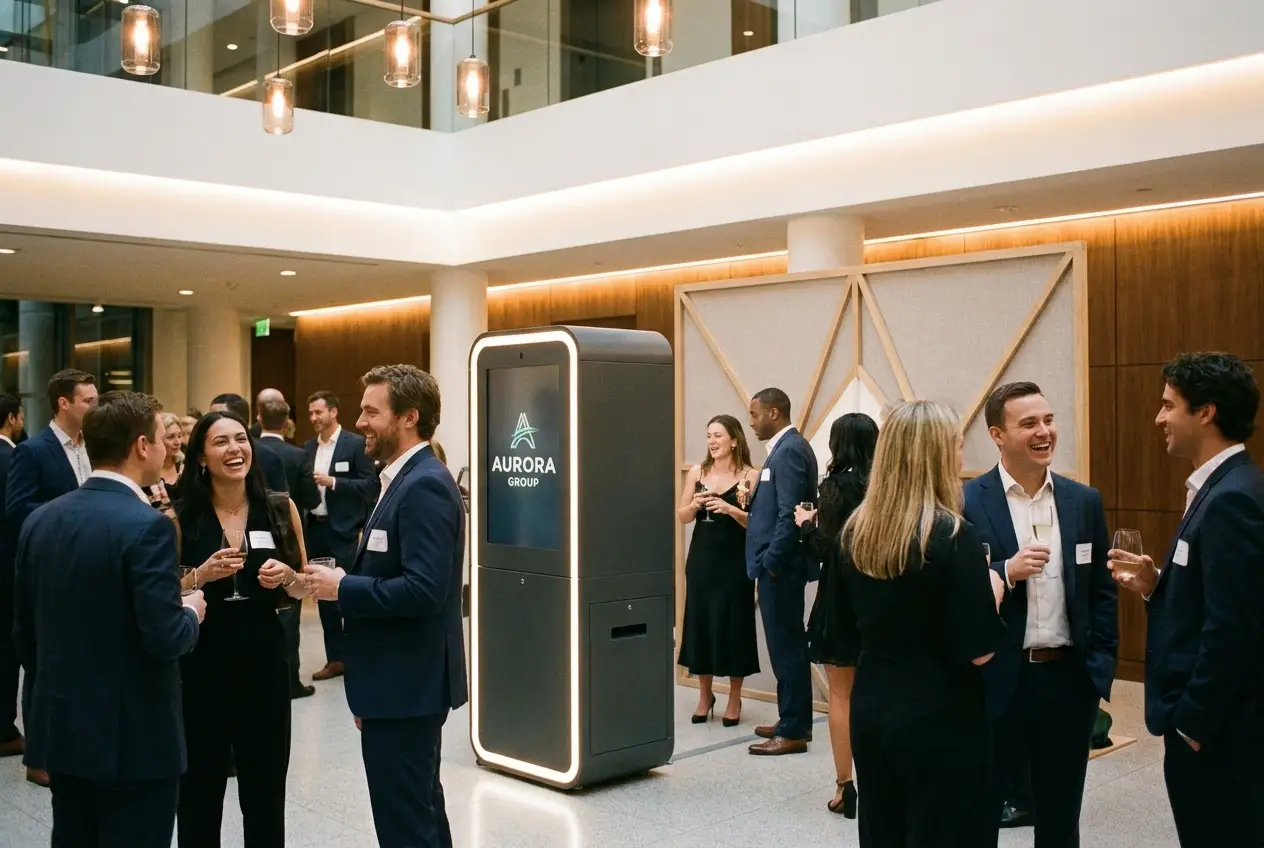
Define the Job Before Choosing the Backdrop
A step-and-repeat is a branded background. It can be used for press photographs, self-posed guest images, or a staffed portrait experience. The background alone does not determine how the photographs are made.
A portrait station adds a photographer directing the sitting. If the event also needs press coverage or roaming documentary photographs, give those roles a separate scope. A stationary photographer cannot simultaneously cover a speech elsewhere in the room.
Match the Portraits to the Intended Use
Guest keepsakes, sponsor recaps, internal communications, and executive headshots are different briefs. Explain which are needed and review image examples relevant to each.
For headshots, confirm the background, framing, lighting, editing, and file delivery. A guest portrait setup may be adaptable, but that does not make a headshot session an automatic inclusion.
For sponsor or event artwork, share the approved assets and the intended placement. Agree on any custom production, proof approval, and cost before committing to a design.
Build the Station Into the Production Schedule
Share load-in access, the guest arrival window, dinner, speeches, presentations, and the event closing time. Confirm the ready-for-guests time and any planned pauses.
Setup, active photography, standby, and breakdown should be listed separately. The event’s access rules and the chosen equipment determine the plan; another vendor’s generic setup duration cannot establish the window for your gala.
Plan Guest Flow With the Venue
Locate the station where attendees can find it without its queue blocking check-in, coat check, catering, or exits. Include print collection and space for couples or groups in the operating layout.
Tell the crew about priority attendees and any accessibility requirements. If a sponsor representative or executive needs a portrait before leaving, agree on that timing in advance instead of relying on an open queue.
Confirm Image Use and Delivery
Ask who will receive the gallery, how attendees access their portraits, and when the deliverables arrive. If the organization has a press deadline or internal launch, include it in the brief.
Agree on permitted use for sponsor marketing, press distribution, and internal communications. Discuss privacy restrictions and guest consent with the vendor and your event team before photography begins.
Request a Quote for the Complete Brief
YWNFI’s Portrait Station starts from $2,950. The final quote depends on format, hours, guest count, and travel. See the current pricing page and request a quote for your event.
Send the date, venue, attendance estimate, active service window, and intended image use. Include custom artwork, headshot requests, or special delivery needs so they can be scoped explicitly.
Review the Portrait Station, gallery, and vendor checklist before finalizing the plan.
Frequently Asked Questions
Is a portrait station the same as a photo booth at a gala?
A portrait station includes a photographer directing each sitting. A photo booth uses an automated capture sequence. Either format may be staffed and provide prints, so compare the actual package with your guest experience and image needs.
Can a portrait station replace a step-and-repeat?
It depends on the purpose of the step-and-repeat. A press or sponsor wall may have a separate coverage requirement. Decide whether you need press photographs, directed guest portraits, or both, then coordinate the layout and staffing.
Can a station also provide executive headshots?
Ask for that scope explicitly. Headshot requirements may affect framing, background, lighting, timing, editing, and delivery. Confirm the requested output and schedule before assuming it is included in event portrait coverage.
Can the backdrop or prints include sponsor branding?
Share the artwork and intended use when requesting a quote. Confirm what customization is available, any additional cost, production deadlines, and who approves the final design before the event.
When should we inquire about a gala portrait station?
Once the date and venue are known, check availability and share the production schedule. Raise custom artwork and delivery requirements early so they can be considered in the quote.
Who may reuse the portraits after a corporate event?
Confirm permitted uses in the vendor agreement. Sponsor marketing, internal communications, press distribution, and attendee access can have different requirements. Agree on image use, consent, file delivery, and any event privacy restrictions before booking.
Tell us your date, venue, and guest count to discuss availability and a quote for your event.