← The Journal

The Vendor Checklist: 9 Questions to Ask Before You Book a Portrait Station

TL;DR

  • The first and most important vendor question is whether the format is directed, with a person behind the camera, or automated, run by a touchscreen and timer.
  • Chicagoland portrait station pricing spans from Pixel Pro Photo Booths’ $2,000, four-hour rental to Lumière Chicago’s $3,800-and-up package, with most couples landing between $4,800 and $6,500 (pixelprobooths.com, lumierechicago.com).
  • Setup typically takes about an hour before the first guest, and teardown runs 20 to 30 minutes after (kimcarpenterportraits.com). Ask whether that time counts against your booked hours.
  • A vendor’s gallery, backup equipment plan, and guest-throughput estimate reveal more about reliability than the price alone.
  • You Will Never Forget It answers all nine questions about its own operation directly, publishes a starting price of $2,950 for the portrait station, and quotes the final number around your date, hours, and guest count.

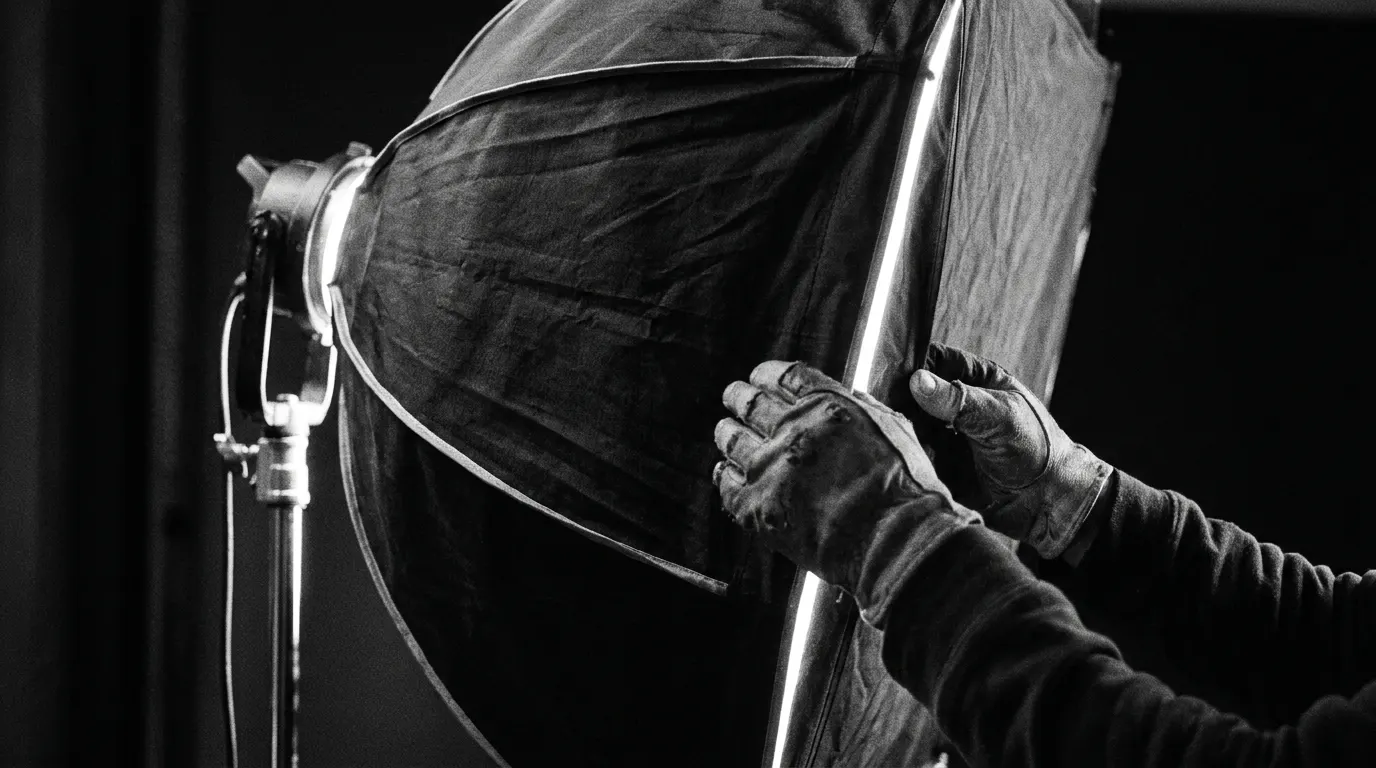
Close detail of hands under hard studio strobe light against a dark backdrop

You’ve narrowed the search. Three or four portrait station vendors sit in your inbox, each with a polished gallery and a price that doesn’t quite explain itself. The room only gets one shot at this: the light, the guests, the night. The vendor has to earn the spot before the contract does.

The questions to ask a portrait station vendor are the same whether you’re booking for a wedding, an engagement party, or a gala. This checklist isn’t built around any single company; it’s how to choose a wedding photo vendor when the format itself is new to you. Ask these nine questions in order, in a call or an email, and pay as much attention to how a vendor answers as to what they say. For background on what a portrait station actually is and how it differs from a standard photo booth, see What Is a Portrait Station? The Complete Guide for Weddings.

Most couples never vet a photo vendor this closely because the category is new to them. A standard photographer has decades of shared reference points; a portrait station doesn’t yet. That gap is exactly where a vague answer hides. Bring these nine questions to every call, take notes, and compare the answers side by side before you compare the price alone.

1. Is this a directed portrait experience, or an automated booth?

Every portrait station vendor falls into one of two categories: directed or automated. The difference decides what the format actually delivers. A directed portrait station puts a person behind the camera, coaching pose and timing the shutter to the moment. It’s a stage, not a curtain. An automated booth runs on a touchscreen and a timer, and guests pose themselves in front of a lens that doesn’t know the light just changed. A good vendor answers this without hesitation and can describe who stands behind the camera on your night, by name or by role, not just the equipment inside the setup.

FormatWho runs itGuest experienceOutput consistency
Directed portrait stationA person behind the camera, coaching pose and timingGuided in the moment, a stage rather than a curtainHeld steady by the operator’s eye, shot to shot
Automated boothA touchscreen and a timerSelf-serve, guests pose and trigger the shot themselvesSet once at setup, unadjusted as the light or the crowd changes

2. What’s actually included in the package?

Ask for a line-item breakdown, not a bundle name. Hours of coverage, number of attendants, backdrop options, print quantities, digital file delivery, and any props or styling all belong on that list before you compare one quote to another. A vendor worth booking sends this in writing without you having to ask twice, and flags what costs extra rather than let you find it in the final invoice.

3. How much time do you need for setup and teardown, and does it cut into my event hours?

Setup for a portrait station typically runs about an hour before the first guest steps in front of the lens, with teardown after running 20 to 30 minutes, a range consistent across vendor sites in the space (kimcarpenterportraits.com). The real question is whether that hour comes out of your booked time or sits outside it. A good answer states plainly whether setup and breakdown are billed separately from active shooting time.

Every vendor’s website shows its best ten images. Ask instead for a complete gallery from one real wedding or gala: every guest, every lighting condition, the in-between shots included. That’s where consistency shows up, not just talent on a good frame. Does the lighting hold steady from the first guest to the last? Does every face read clearly regardless of skin tone? Does the room in the background still look like the room you booked? A vendor confident in their work sends the link without editing it down first.

5. What happens if equipment fails or your attendant can’t make it?

Gear breaks. People get sick. The room doesn’t pause for either one. Ask what backup equipment travels with the crew and whether a second attendant or on-call replacement exists for your date. A specific answer, like a backup camera in the case or a second name on standby, tells you more than a reassurance that “it’s never happened.”

6. How many guests can you realistically move through per hour?

Guest throughput, meaning how many people a portrait station can move through in an hour, sets your expectations for the night more than any other number on this list. A hundred-guest gala and a forty-person engagement dinner need different pacing, and a vendor who’s run the format before can give you a real range rather than a guess. If the answer sounds vague, ask how they’d handle a line forming at the ninety-minute mark, and whether guests get pulled from cocktail hour or from the dance floor once the band starts. A vendor who has thought through the flow of your specific event, not just the general format, will have an answer ready.

7. What does the total cost include, and where does portrait station cost in Chicago typically land?

Chicagoland portrait station pricing varies by package depth and hours booked. Lumière Chicago publishes a portrait station package starting at $3,800, with most couples spending between $4,800 and $6,500 (lumierechicago.com). Pixel Pro Photo Booths prices a four-hour portrait station rental starting at $2,000 plus tax, with about three hours of active shooting inside that window (pixelprobooths.com). You Will Never Forget It publishes a starting price too: the portrait station starts at $2,950, below Lumière Chicago’s $3,800 floor. What moves any vendor’s final number from there is format, hours booked, guest count, and travel. Use those figures as a gut check against any quote you receive, and ask each vendor to show you exactly what’s driving the difference. For a closer look at what drives the spread, see what actually drives portrait station cost in Chicago.

8. Who is the person running my station, and can I meet them first?

The name on the contract and the person behind the camera aren’t always the same. Ask directly who staffs your date, whether that person has run this format before, and whether a call or a brief introduction is possible before you sign. Some companies book out multiple crews on a busy weekend, so the polished portfolio you fell in love with may belong to a different team than the one showing up. A vendor who treats this as a reasonable ask, not an inconvenience, is signaling how they’ll treat the rest of the relationship.

9. What happens to my images after the event?

Printing rights, digital delivery timelines, and how long files stay on a vendor’s server all belong in writing before the deposit goes out. Ask when you’ll receive full-resolution files, whether you own unlimited printing rights, and how the vendor handles guest data and image privacy afterward. Ask, too, whether any images are used in the vendor’s own marketing and whether you can opt out. A specific delivery date and a plain answer on ownership are the marks of a vendor who’s done this before.

How You Will Never Forget It Answers These Nine Questions

You Will Never Forget It answers the same nine questions posed above, the way any vendor should before you book. Here’s where the company stands on each one.

Directed or automated? Directed, every time. A person operates the camera and coaches the shot. There’s no touchscreen booth in the lineup.

What’s included? A written, line-item breakdown before you book: hours, attendants, backdrop, prints, and file delivery. Nothing shows up as a surprise on the invoice.

Setup and teardown? Booked separately from your active hours, the same way the category works across Chicagoland. That time is on the crew, not on your event clock.

Full gallery? See real output from the directed portrait format on the gallery page rather than a curated highlight reel alone.

Backup plan? A second camera and an on-call attendant travel with every crew. The room doesn’t stop for a dead battery.

Guest throughput? Pacing gets sized to your guest count and hours during the quote call, not guessed at after the invitations go out.

Cost? The portrait station starts at $2,950. Format, hours, guest count, and travel move the final number from there. Call for a quote built around your date and venue.

Who’s behind the camera? Ask to meet or speak with your crew before the event, not just see their portfolio.

After the event? Full-resolution files delivered on a timeline confirmed before you sign, guest privacy respected, and marketing opt-out available on request.

Frequently Asked Questions

Is a portrait station different from a regular photo booth?

Yes. A portrait station is directed, meaning someone behind the camera coaches pose and timing in the moment, while a standard photo booth is typically self-serve, with guests triggering the shot themselves from an open-air or enclosed setup. The two formats can coexist at the same event, and some couples book both: a directed portrait station for formal images early in the night, and a photo booth once the party opens up. For a full side-by-side comparison, see portrait station vs. a traditional wedding photographer.

Should I book the same vendor for both my portrait station and my main photography?

Not necessarily. Some photographers offer both under one roof; others specialize in one format and partner with a separate crew for the other. Vet each service against this same nine-question checklist rather than assume a bundled quote means bundled quality. A vendor who is excellent behind a traditional lens isn’t automatically equipped to run a directed portrait format at scale.

What’s the biggest red flag when vetting a portrait station vendor?

Vague answers are the biggest red flag. A vendor who can’t confirm whether the format is directed or automated, won’t send a line-item package breakdown in writing, or hedges on backup equipment is signaling gaps you’re more likely to discover on the night itself than before you sign. Ask every question on this checklist directly, and treat hesitation on any single one as a reason to keep comparing, not to book.

Is portrait station pricing quote-based, or should every vendor publish a starting price?

Both approaches exist in the Chicagoland market. Lumière Chicago publishes a portrait station package starting at $3,800 (lumierechicago.com), and Pixel Pro Photo Booths publishes a four-hour rental starting at $2,000 plus tax (pixelprobooths.com); other vendors price every event individually and only quote after a call about your date, hours, and venue. You Will Never Forget It publishes its own starting price for the same reason: the portrait station starts at $2,950, with the final number set by format, hours, guest count, and travel. Neither approach is a red flag on its own. What matters is whether the vendor explains, in writing, exactly what your number includes.

Do I need a written contract with a portrait station vendor, or is a verbal quote enough?

A written contract is essential, not a formality. Everything in this checklist belongs in writing before a deposit goes out: package contents, staffing, timing, backup plans, and image rights. A verbal quote can shift after the fact with nothing to point back to; a signed contract is what actually protects your date and your money once you’ve committed to a vendor.

Ask us these same nine questions. You Will Never Forget It runs the directed format only, answers every question above about its own operation without hedging, and welcomes the comparison against the rest of your list. The portrait station starts at $2,950. Call (224) 434-3461 or reach out through the contact page for a quote built around your date, guest count, and venue, with package contents, staffing, and image rights in writing before you decide.

Your date only happens once.

We take a limited number of events per weekend so every room gets a full crew. If your date is set, find out now.