Black-and-White Wedding Portrait Station: Choosing the Editorial Look
A black-and-white portrait directs attention to the person in the frame: expression, posture, texture, and light. At a wedding, that can give guests a composed photograph of themselves or the people they came with.
TL;DR
- Black-and-white emphasizes expression, shape, texture, and the way light falls across a face.
- Direction and lighting shape the portrait; removing color alone does not determine the result.
- A guest portrait station and documentary wedding photography serve different roles.
- YWNFI’s Portrait Station starts from $2,950. The final quote depends on format, hours, guest count, and travel. See the current pricing page and request a quote for your event.
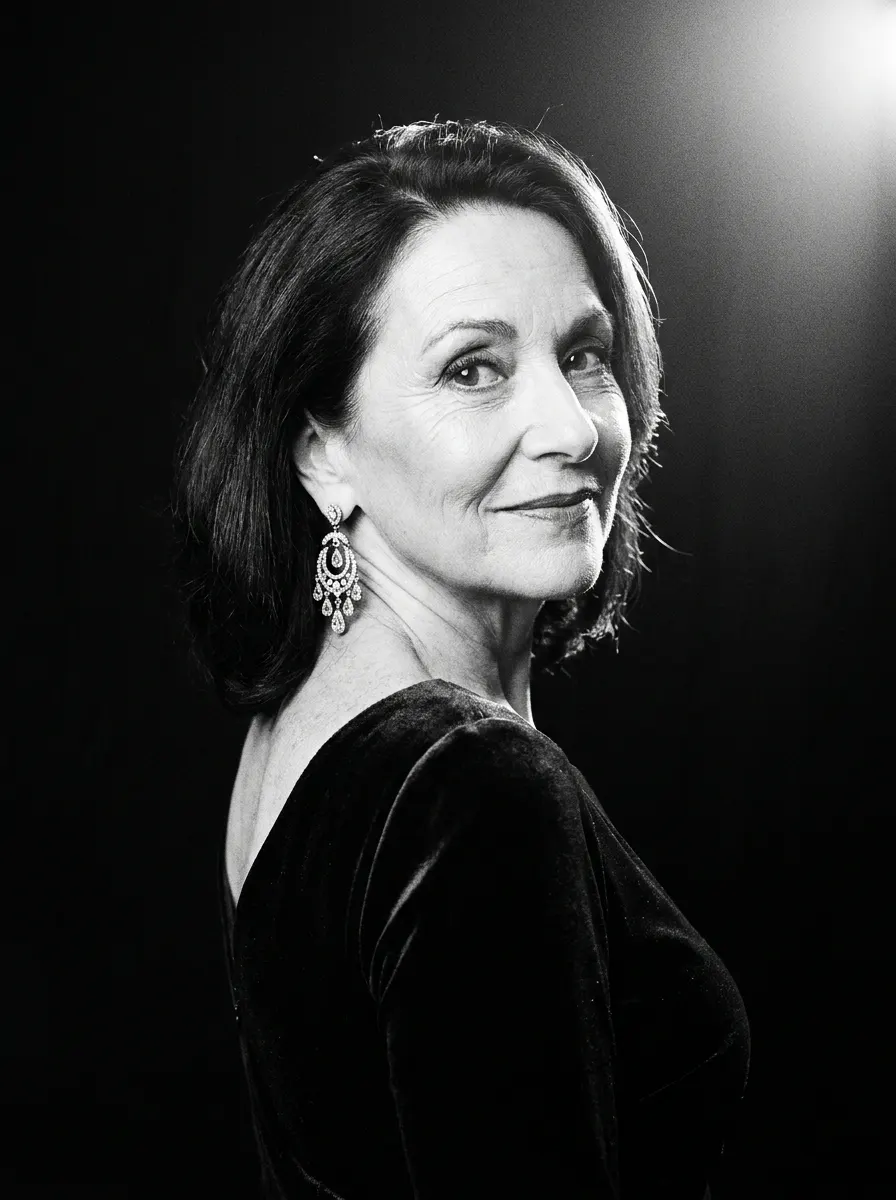
Look at the Whole Photograph
Removing color changes what the eye notices. A dark backdrop can separate a face from the room, while the placement of the light shapes the features and the relationship between people in a group.
The final result depends on the exposure, lighting, composition, direction, and editing together. Black-and-white is a visual choice, not a guarantee that an image will be better or last longer than a color photograph.
Browse the portrait gallery and look at expressions, group arrangements, and the print style. Decide whether those are the images you want your guests to receive.
What Photographer Direction Adds
Guests do not need a prepared pose. The photographer can guide their shoulders, stance, hands, and expression, then refine the composition for a couple or group.
That guidance is the distinction between a directed portrait sitting and an automated booth capture. Both formats can use studio lighting. If you are comparing them, ask about the person directing the experience and inspect the actual work. Our format comparison explains the differences.
Keep Color Where It Matters to You
Black-and-white does not show the exact color of a dress, flowers, or event branding. If those details matter to your photographs, account for them in the wider photography plan.
Your wedding photographer may document the event in color according to their agreement with you. A separate guest portrait station can have its own visual style without taking over that coverage. Confirm any request for color station images before booking.
Plan the Portrait and the Print
The set needs room for the backdrop, lights, photographer, guests, and a clear queue. Think about the print collection point as part of the layout so guests can receive their photographs without interrupting the next sitting.
Confirm the print presentation and digital delivery with the booking. If you want portraits for a guestbook, a display, or another use, discuss the required format and quantities rather than assuming those additions are included.
Pricing and Event Timing
YWNFI’s Portrait Station starts from $2,950. The final quote depends on format, hours, guest count, and travel. See the current pricing page and request a quote for your event.
Schedule setup, active photography, any standby, and breakdown separately with the vendor and venue. A black-and-white style does not establish a universal setup duration or included service window.
Use the timeline guide to place the station around arrivals, speeches, dinner, and the open reception. Then confirm the final scope in the quote.
Frequently Asked Questions
Does black-and-white work for every wedding style?
It depends on the images you want. Black-and-white can suit a formal or relaxed event, but it removes the color of clothing, flowers, and décor. Review the gallery and choose based on the finished portraits rather than the event’s dress code alone.
Is black-and-white harder to shoot than color?
It calls for attention to tonal contrast, texture, and how the light separates the subject from the background. Photographer direction shapes the expression and pose in either format. A monochrome filter alone does not establish the final portrait style.
Can we get both color and black-and-white from the same event?
Discuss that request before booking and confirm which images and formats the quote includes. Do not assume a black-and-white portrait station also includes color edits or roaming documentary coverage.
Does a black-and-white portrait station work beyond weddings?
Yes. Engagement parties, galas, and corporate events can include directed black-and-white portraits. Confirm that the style fits the event’s image and branding needs. See our gala planning guide.
How does it differ from hiring a wedding photographer?
A portrait station stays in a planned location for guest sittings. Your wedding photographer follows the event and the agreed coverage plan. If you want both, coordinate their roles and schedules. See the photographer comparison.
Tell us your date, venue, and guest count to discuss availability and a quote for your event.